A Designer’s Look at the Hiking Solves Adventure Embroidery File
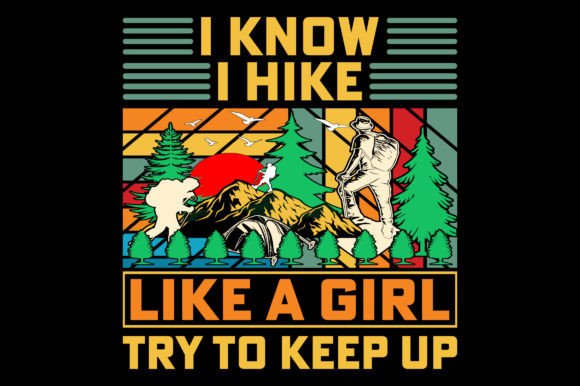
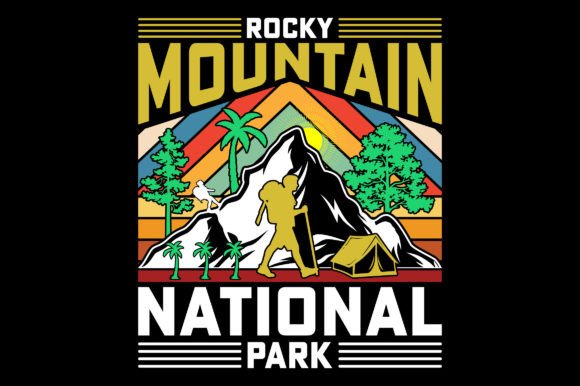
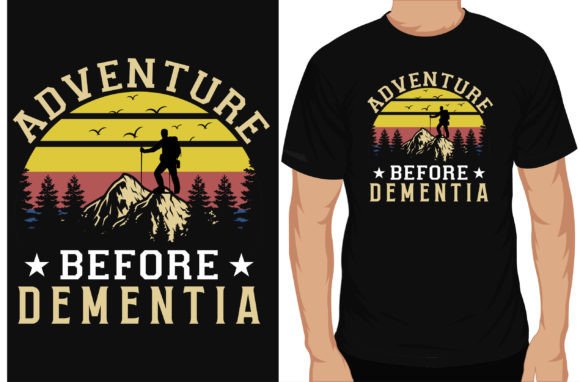
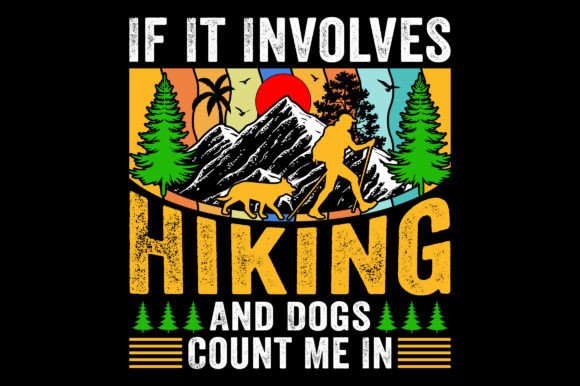
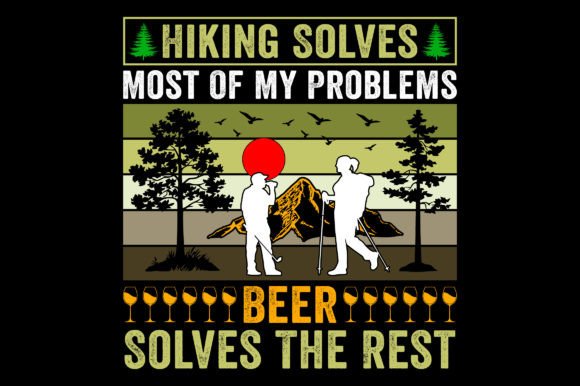
Whenever I download a new embroidery file, my first thought isn't about the technical specs—it's about the story it’s going to tell once it’s stitched onto something real. Sitting down with the Hiking Solves Adventure Hiking T-Shirt design, I'm immediately thinking about the mood. It has that retro, vintage feel, which is less about specific nostalgia and more about a general warmth. It whispers "well-worn map" and "shared memories," rather than shouting "extreme sport." That’s a valuable starting point. For embroidery, especially, this kind of theme translates into a product that feels like a keepsake, not just a logo.
The Natural Habitat for This Design
Let’s talk about where this design naturally lives. The description places it in the T-Shirt Designs and Graphics category, but an embroidery designer sees beyond that. I’m visualizing it stitched onto a heavyweight cotton sweatshirt, the kind you wear on an autumn morning. The retro adventure theme pairs perfectly with the textured, sturdy feel of a sweatshirt or a canvas tote bag. I can also see it working beautifully as a centerpiece on a pillow cover in a cozy cabin-style room, or as a large, statement patch on a denim jacket.
Thinking about my own client work, a project immediately comes to mind: a custom embroidered tote bag for a small boutique that sells outdoor-themed gifts. They want something unique for their loyal customers. This Hiking Solves Adventure design, with its evocative personality, could be the perfect artwork for that. It feels handmade and personal right out of the gate, which is exactly what a small shop product needs to convey.
Where the Stitches Will Shine and Where to Be Cautious
In real-life embroidery situations, the success of a design hinges on its adaptation to the medium. The fact that this comes as an EPS file at 2000px by 2000px is a good sign for scalability, but embroidery is about translation, not just resizing.
For larger applications like sweatshirt embroidery or tote bag design, this should perform well. The presumed level of detail in a vintage adventure graphic often includes nice, open shapes that can be rendered with satin stitches or fill stitches without becoming overly dense. That’s key for comfort on apparel and for avoiding a stiff, heavy feel on fabrics.
However, here’s where practical judgment comes in. On smaller items—think a baby item like a little sweater, or the curved surface of a cap—you need to be careful. Any tiny lettering or intricate decorative accents within the design might lose clarity when reduced for a small hoop size. The texture of the fabric also plays a role. Embroidering this on a thin, stretchy fabric without the proper stabilizer could lead to puckering and distort that vintage charm. On dark fabric, thread color contrast becomes paramount; you’d need to test and possibly adjust your palette to ensure the adventure mood doesn’t get lost in the shadows.
Turning a Digital File into a Trusted Product
How does this design affect the final product's value? When a customer sees this embroidered on a piece, the clarity of the stitching directly impacts their trust in your craftsmanship. A clean, well-defined embroidery file executed properly makes a handmade product look professional, not amateur. It reinforces brand consistency if you're a creative entrepreneur building a line of outdoor-themed goods. For a personalized gift, like a monogrammed holiday embroidery on a blanket with this design as the central art, it elevates the giftability immensely. It feels considered and specific.
For commercial embroidery projects, such as producing a line of patches for an Etsy listing or craft fair, this design has the recognition factor. It taps into a popular aesthetic without being generic. Buyer engagement often starts with a design that tells a mini-story, and this one does that. But a crucial note: always confirm the licensing terms for any digital embroidery file before selling finished items. The product description doesn't specify these terms, so that’s a step you must take to protect your craft business.
Practical Notes From the Hoop
Before you load this machine embroidery design, here’s my standard review process, which I’d apply to Hiking Solves Adventure Hiking T-Shirt.
- Test on Scrap Fabric First: Use the same fabric you intend for the final project. This reveals how stitch density behaves and if any areas are too dense for the material.
- Check Color Contrast: Run tests on both light and dark fabric backgrounds. A vintage design often uses muted tones; you might need to brighten threads slightly for dark fabrics to retain detail.
- Inspect the Small Details: In your software, zoom in on the EPS. Look for any corners or lines that are too fine for your machine’s smallest stitch. These might need slight manual adjustment.
- Confirm Your Hoop Size: The design’s 2000px dimensions suggest it’s meant for a decent size, but always match it to your physical hoop to ensure it fits without needing excessive scaling.
- Use Proper Stabilizer: This is non-negotiable for preserving the design’s shape and preventing distortion, especially on t-shirts or stretchy baby clothes.
- Consider the End Use: If the finished product will need frequent washing, like a kitchen towel or apron, a robust stitch execution with secure trims is vital for longevity.
Finally, whether you’re using this for personal projects or commercial design assets, treat the digital file as a starting point. Your skill in pairing it with the right fabric, threads, and stabilizer turns it into a finished product that truly resonates. The Hiking Solves Adventure Hiking T-Shirt design has the inherent personality to make that journey worthwhile, guiding you toward creating something that feels both adventurous and thoughtfully made.