A Designer's Hands-On Review: The Vintage Hiking Embroidery Design
Whenever a new design lands in my digital library, my first thought isn’t just about how it looks on screen. I’m picturing how it will look after the needle does its work—how the stitches will settle into fabric, what mood it will create on a finished product, and whether it’s going to be a joy or a challenge to work with. That’s the lens I’m using today with the I Know I Hike Vintage Hiking SVG T-Shirt design. This isn’t a theoretical overview; it’s a practical judgment from someone who turns graphics into real, stitched items every week.
The First Glance: Where This Design Naturally Belongs
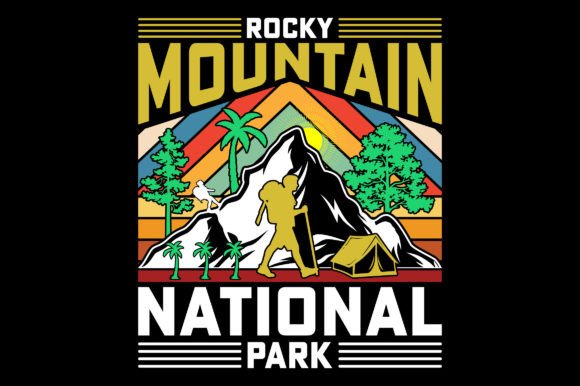
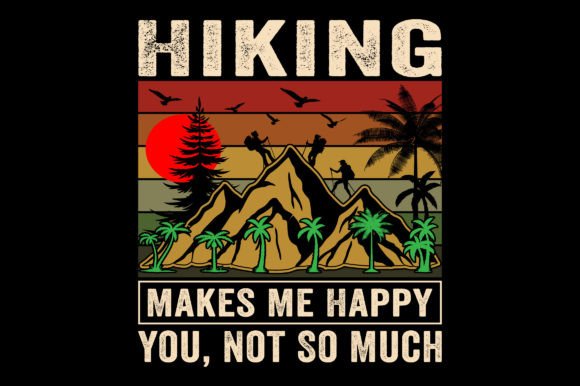
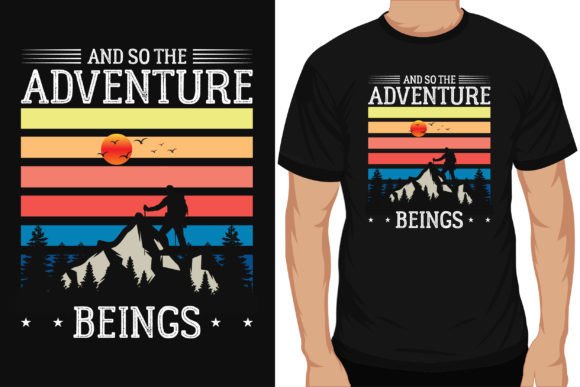
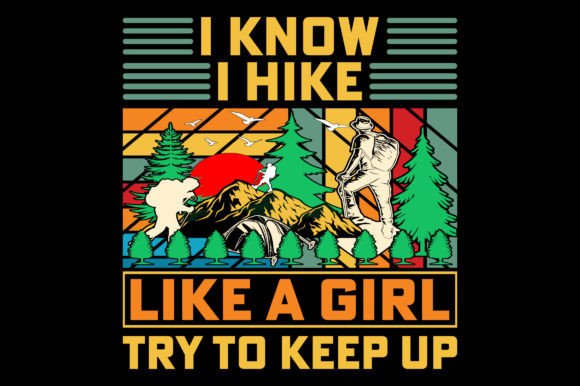
Opening this file, you immediately get a sense of purpose. It has that classic, retro adventure feel—a friendly, almost nostalgic nod to the outdoors. The layout isn’t overly complex, which is a huge plus for machine embroidery. The shapes are clean and the implied details suggest texture without being overly dense. This isn’t a hyper-detailed illustration; it’s a graphic with character. That visual personality tells me it belongs on items meant for relaxed, personal use or heartfelt gifts. I immediately pictured it on a cozy sweatshirt for a hiker, a sturdy tote bag for a camper, or even a welcoming pillow cover in a cabin-themed space.
From Digital File to Stitched Reality: Project Performance
In real-life embroidery project situations, a design’s true nature reveals itself. Let’s walk through some scenarios. Imagine you’re preparing a custom embroidered tote bag as a holiday gift for a nature-loving friend. The I Know I Hike Vintage Hiking SVG T-Shirt design, with its clear shapes, would translate well into satin stitch outlines and manageable fill stitch areas. The text “I Know I Hike” is integrated as part of the graphic, not tiny separate lettering, which is a relief for stitching clarity. On a mid-weight canvas tote, with proper stabilizer, I’d expect this to stitch out cleanly and become a durable, appreciated gift.
For a small business owner creating custom apparel, say a premium sweatshirt for their boutique, this design adds value. It feels handmade yet professional. On a baby’s romper for a family who loves the mountains? Scale it down carefully, but the friendly theme would work wonderfully as a baby embroidery piece. As an embroidered patch on a backpack, it would hold up well because the elements aren’t overly delicate. For craft fair products or Etsy listings, this design has that “giftable” appeal—it’s specific enough to resonate with a niche (outdoor enthusiasts) but warm enough for a general audience.
Where Caution and Skill Come Into Play
No design is perfect for every single application, and a professional knows where to apply caution. For the I Know I Hike Vintage Hiking SVG T-Shirt design, my concerns would center on scale and fabric choice. On very small hoop sizes, some of the interior detail might get lost or become too dense, leading to puckering. I’d avoid stitching it directly onto thin, stretchy t-shirts without extensive testing and the right stabilizer strategy; the design area could be substantial enough to stress the fabric.
Dark fabric backgrounds require a thoughtful thread color palette to maintain that vintage, lighter feel. On curved surfaces like caps, the wider, more rectangular composition might need slight adjustment to fit the curve gracefully. And for products destined for frequent washing, like kitchen towels or everyday aprons, I’d recommend using robust threads and ensuring the stitch density isn’t so high that it stiffens the fabric uncomfortably. The key is to match the design’s strengths to the product’s purpose.
Beyond the Stitches: Impact on Your Work and Your Customer
Using a design like this isn’t just about the technical execution; it’s about the final impression. When a customer sees this design embroidered on a handmade product, it conveys a sense of theme and care. That builds customer trust and engagement—they feel you understood their style. For a creative entrepreneur, it can support brand consistency if your shop focuses on rustic, adventurous, or personalized themes. Its readability and clean aesthetic contribute to a professional finish, which is crucial whether you’re selling at a craft fair or fulfilling a commercial embroidery client order for a small shop’s merchandise.
The “giftability” factor is high. It’s personal without being overly sentimental, making it a strong candidate for wedding gifts for an adventurous couple, holiday embroidery for a dad who hikes, or personalized products for a milestone like a first backpacking trip. This kind of design recognition helps your finished product stand out in a crowded market.
Practical Notes From the Embroidery Station
Before you run this digital embroidery file on your machine for a real project, here’s my standard checklist of advice. Always test the design on scrap fabric first, using the same material and stabilizer you plan for the final item. This reveals how the details stitch out and checks for any hidden issues with density.
Check thread color contrast against your final fabric—run a black and white mockup to see if the values hold up. Review the provided file in your software; since the description notes it’s an EPS file at 2000px, confirm it’s compatible with your embroidery software and that the scaling is clean. Inspect the small details in your test stitch to ensure they’ll be clear at your intended size.
- Compare how it looks on both light and dark fabric backgrounds in your software preview.
- Use proper stabilizer for the fabric type; this isn’t a design you want to skimp on support.
- If you’re creating products for sale, explicitly confirm licensing for the design file regarding commercial projects.
- For craft business items, consider how it will look in your printable mockups and digital product previews.
Remember, the I Know I Hike Vintage Hiking SVG T-Shirt design is a graphic meant for apparel decoration, but its potential stretches far beyond t-shirts. Your skill in pairing it with the right product, fabric, and execution will determine its ultimate success. Approach it with a designer’s eye for context and an embroiderer’s respect for the materials, and you’ll likely end up with a finished product that feels both authentic and expertly made.