Reviewing a Vintage Hike T-Shirt Design for Editorial Graphics
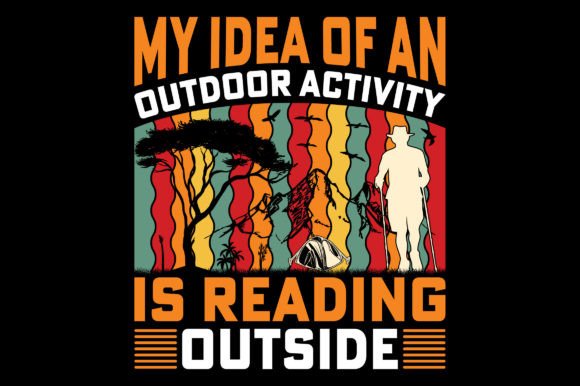
As a blog designer who builds visual systems for publishers, I constantly evaluate graphic design assets for their editorial potential. Today, I’m looking at a specific creative product: My Idea of an Vintage Hiking SVG T-Shirt. This isn’t just a t-shirt graphic; it’s a versatile piece of visual content that can be deployed across a digital publishing ecosystem.
First Impressions: The Editorial Mood of a Retro Adventure
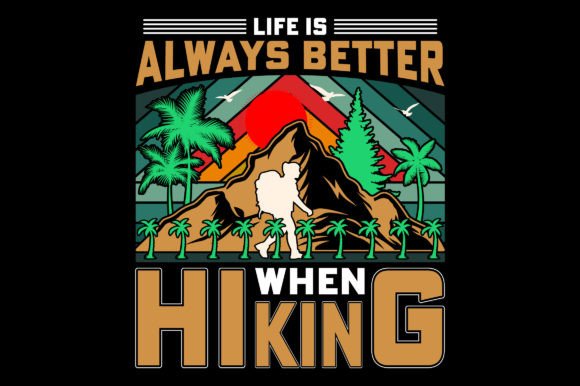
Upon opening the EPS file, the first thing you notice is its strong, nostalgic character. The Retro Vintage Adventure Hiking T-Shirt Design evokes a sense of classic exploration and outdoors lifestyle. It doesn’t feel corporate or overly serious. Instead, it leans into a warm, artistic, and slightly decorative mood. This instantly tells me it’s perfect for content niches centered on travel, outdoor activities, wellness journeys, personal adventures, rustic lifestyles, and DIY crafts. For a blogger or publisher in those spaces, this design asset acts as a visual shorthand, communicating your topic’s essence before a reader even engages with the text.
Where This Design Elevates Real Publishing Workflows
Let’s move from impression to application. In a real content publishing workflow, a single, high-quality vector file like this becomes a powerhouse. Imagine you’re preparing a blog post about “Top 10 Hidden Mountain Trails.” Instead of searching for stock photos, you can use My Idea of an Vintage Hiking SVG T-Shirt as the core of your featured image. Scale it, crop it, place text over it—the 2000px by 2000px resolution offers immense flexibility. This same graphic can be adapted for a Pinterest pin designed to drive traffic, a newsletter banner announcing your latest outdoor guide, or a thumbnail for a downloadable hiking checklist lead magnet.
Building Clickable Content with Consistent Visuals
Consistency breeds trust. When readers see a cohesive visual identity across your blog graphics, social media posts, and digital products, they perceive your content as more professional and reliable. This vintage hiking design can become a recurring visual element. Use it in your blog’s category header for “Adventure Travel.” Incorporate a simplified element into your media kit for affiliate partners. Its distinctive style creates a stronger visual hierarchy on a page, making your call-to-action buttons or headline text stand out more clearly. A well-designed graphic background can significantly improve click-through potential on social media previews and email newsletter links.
Strategic Placement for Maximum Impact
Based on its style and scalability, I’d prioritize this asset for larger, impactful visuals. It works excellently as:
- Hero images at the top of blog posts or landing pages.
- Pinterest pins where the detailed vintage elements draw attention.
- Blog graphics breaking up long editorial sections.
- The cover for a digital guide or eBook on outdoor photography.
- Newsletter headers that set a thematic tone.
- Downloadable resources like printable trail maps or camping planners.
- Social media previews for link-sharing.
Editorial Contexts Where Caution is Advised
While versatile, this particular graphic design asset has a specific personality. It should be used carefully in contexts where its playful, retro, and artistic vibe might clash with the content’s tone. Avoid using it on text-heavy blog images where the details might compete with readability. It may not suit very serious professional niches like corporate risk management or technical engineering blogs. On low-contrast backgrounds or in very small mobile thumbnails, some of its intricate details might become lost or muddy. For websites with an extremely minimal visual system, this decorative element might feel too bold.
Practical Publisher Notes Before You Deploy
Before integrating this into your live content, run these practical tests. Preview it inside your actual blog layout to see how it interacts with your sidebar, fonts, and color scheme. Test it as a thumbnail on both desktop and mobile screens. Overlay your headline text on it to check for contrast and readability—try it with a clean sans-serif font and a more rustic script font to see which pairing works. While the EPS format is great for scaling, remember to export final web images in optimized JPEG or PNG formats, compressing for performance. Crucially, confirm the commercial license if you’re using this on monetized affiliate pages, paid digital products, or within Canva templates for client work. A clear license is the bedrock of professional content marketing.
The Unseen Value: From T-Shirt Graphic to Blog Branding Tool
The product description mentions a store offering high-quality t-shirt designs, and this is a perfect example. But for publishers, the value transcends apparel. This Retro Vintage Adventure Hiking T-Shirt Design file is a ready-made brand accent for a niche website. It supports stronger category recognition—readers instantly know what type of article they’re entering. It helps build a more professional-looking content page compared to generic, mismatched images. For the creative entrepreneur selling digital guides or the affiliate marketer promoting outdoor gear, this kind of cohesive, mood-setting graphic can be the difference between a forgetmable page and a clickable, trusted resource. In the end, smart editorial design is about visual communication, and this asset speaks the language of adventure perfectly.