Evaluating the Trailblazing Adventures Embroidery Design for Real Projects
The First Look: A Design Built for Outdoor Stories
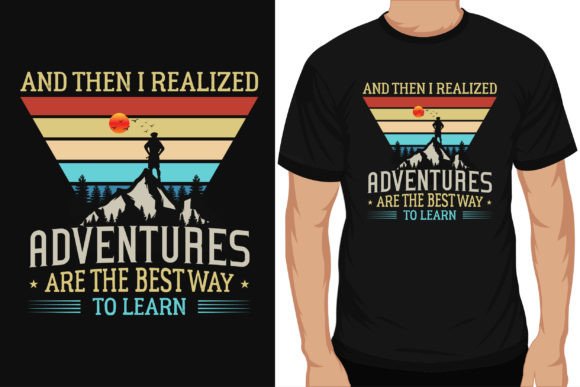
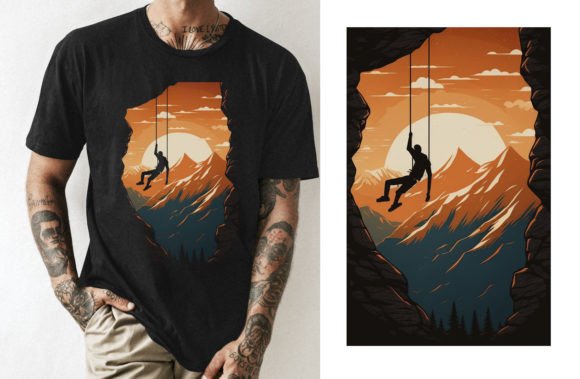
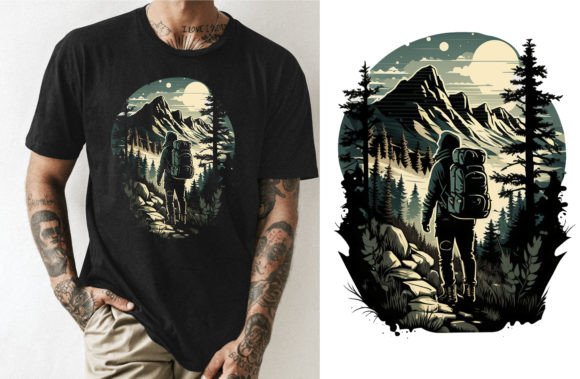
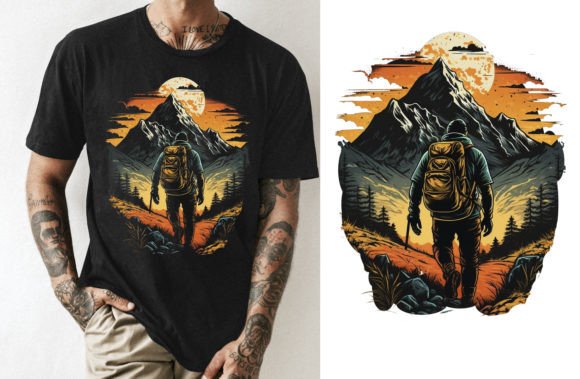
When you first open the Trailblazing Adventures Hiking T-shirt design, you get a sense of rugged, friendly optimism. This isn't a minimalist logo; it's a narrative piece. The layout feels like a badge of honor, something that belongs on a garment worn by someone who loves the outdoors. The theme is clear and approachable, avoiding overly technical details that could get lost in stitching. Its visual personality leans toward the inspirational—perfect for a gift or a product line celebrating adventure, resilience, or simply a love for the trail.
As an embroidery designer, I immediately think about application. This design naturally belongs on a mid-weight cotton sweatshirt, a canvas tote bag for a hiking club, or as a standout feature on a child’s backpack. It has a commemorative feel. I picture using it for a custom embroidered patch for a group that just completed a big trek, or appliquéd onto a blanket for a cozy, cabin-inspired gift.
Putting It to Work: Where This Design Thrives
In real-life embroidery projects, this design's strength is its thematic resonance. On a custom apparel piece like a hoodie, it becomes the focal point, telling a story before a word is spoken. For small business merchandise—think an Etsy shop selling outdoorsy gifts or a boutique with a mountain-town aesthetic—it offers a ready-made asset that aligns with a brand. As a personalized gift, embroidered onto a tea towel or apron for a camping enthusiast, it feels thoughtful and specific.
It also performs well in digital product previews and printable mockups. The included file formats mean you can easily integrate it into listings for your craft business, showing customers how it would look on a t-shirt or cap before you even stitch it. This builds trust. For commercial embroidery projects, like a run of logoed caps for a hiking outfitter, the design's clear theme supports professional brand consistency.
Scenario: Crafting a Boutique Holiday Gift
Let's walk through a real case. I'm preparing a limited run of embroidered pillow covers for a holiday gift collection in my small shop. I want something that feels like a cherished souvenir. The Trailblazing Adventures design comes to mind. Its friendly, adventurous mood fits the "gift of experience" trend perfectly. I'd test it on a neutral linen fabric, using earthy thread colors to enhance its handmade presentation. The finished product isn't just a pillow; it's a decoration that implies a lifestyle, increasing its perceived value and giftability for my customers.
Navigating the Stitching: Practical Considerations
While the design is appealing, its successful embroidery depends on careful execution. The detail level suggests it needs a decent hoop size to maintain clarity. On small hoop sizes, some of the finer elements might become overly dense or blur. I'd be cautious with textured fabrics like thick wool or stretchy fabric like performance knit, as the stitch integrity could be compromised without the right stabilizer.
Dark fabric backgrounds require thoughtful thread color contrast planning. The design's impact relies on readability, so on a black garment, you'd likely need bright, contrasting threads. Embroidering on curved surfaces like caps would demand a test run to ensure the layout doesn't distort. Also, for products destined for frequent washing, like baby clothes or kitchen towels, reviewing the stitch density is key. Overly dense areas might wear faster.
Where to Apply Extra Caution
Pay close attention to any potential tiny lettering or intricate decorative accents within the design. These areas need a precise machine setup and sharp needle to avoid a messy look. Similarly, applying it to a thin fabric, like a light t-shirt, risks puckering if the fill stitches are too heavy. Always test the design on scrap fabric first, mimicking the final project's material and color.
Impact on Your Business and Craft
Using a design like this affects more than just the stitch. It influences customer trust and buyer engagement. A clean, well-executed embroidery of a recognizable theme makes a handmade product feel professional and intentional. For a digital product seller, offering a versatile, well-composed design file as part of your design assets attracts clients looking for quality. It enhances your portfolio's visual appeal.
For the creative entrepreneur, it offers flexibility. You could use it for an embroidered patch sold separately, as the centerpiece of a tote bag design, or even adapted for baby embroidery on a nursery decor item. This versatility supports brand consistency across different product lines in your shop.
The Designer’s Checklist Before You Hoop
Before committing this design to a client project or your next craft fair product, run through these practical notes.
- Test on both light and dark fabric backgrounds using your machine to gauge thread needs.
- Check the provided files in your software. How do the paths look for satin stitch or fill stitch areas?
- Confirm the physical hoop size you'll need for the detail level you want to preserve.
- Inspect the small details in a black and white mockup to see if they hold their form without color.
- Use proper stabilizer for the final fabric—don't skip this step.
- Most critically, confirm licensing before selling finished items or digital products. The product description mentions included files, but always verify the terms for commercial use.
Remember, a design like the Trailblazing Adventures Hiking T-shirt D is more than a graphic. It's a tool for storytelling through stitch. When applied thoughtfully to the right project, it elevates a simple item into a meaningful piece of custom apparel or a standout small shop product. Your job as the maker is to match its adventurous spirit with your technical skill, resulting in a finished product that feels both authentic and expertly made.